How to Buy Property in Dubai

How to Buy Property in Dubai: A Complete Guide for Buyers and Investors

Get In Touch

Dubai’s real estate market has never been more accessible — or more competitive. Whether you’re a first-time investor or a seasoned buyer looking to diversify, knowing how to buy property in Dubai the right way can be the difference between a profitable investment and a financial headache.

This guide walks you through every step, from understanding who can buy to signing on the dotted line — clearly, practically, and without the jargon.

How to Buy Property in Dubai


Can Foreigners Buy Property in Dubai?

Yes — and this surprises many first-time buyers. Dubai allows foreigners to purchase property in designated freehold areas with full ownership rights. You don’t need residency, a local sponsor, or a UAE bank account to get started.

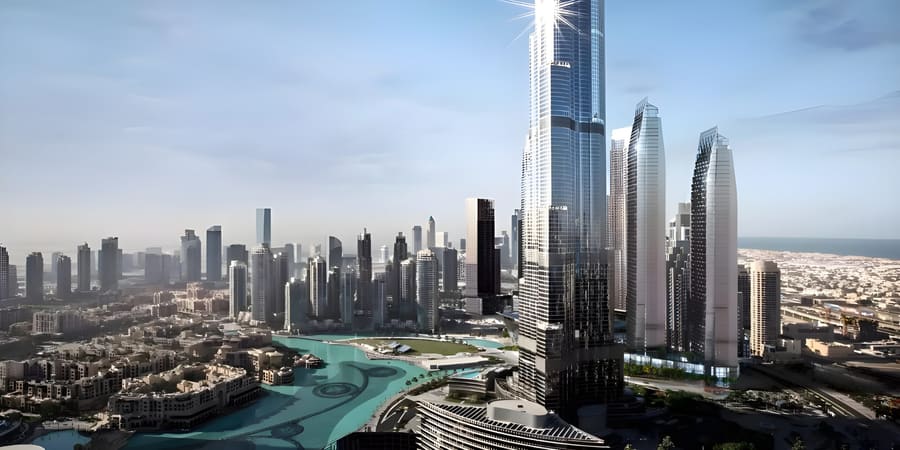
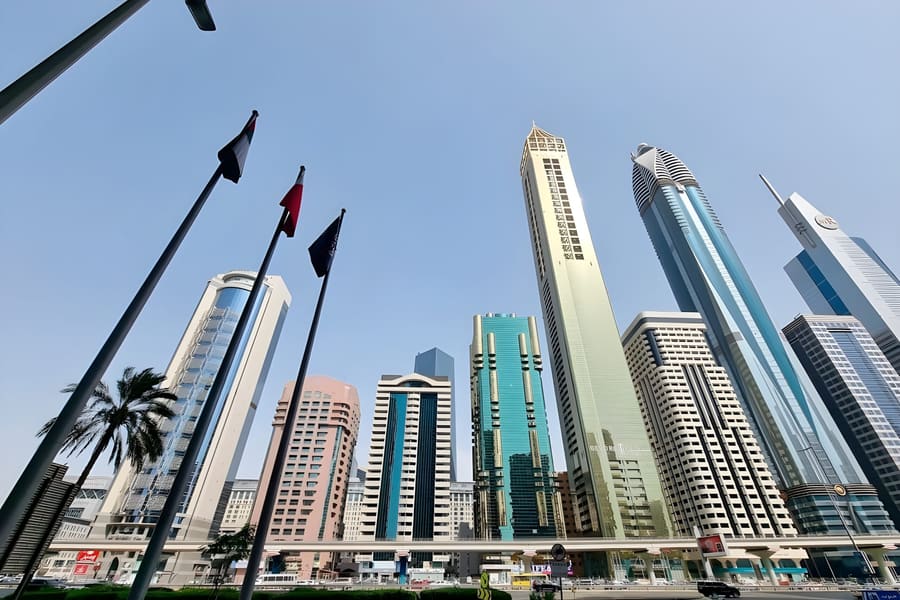
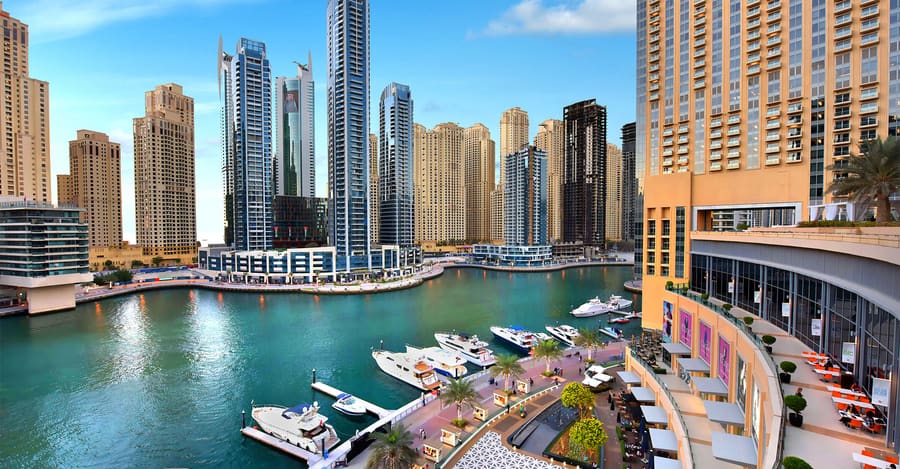
Since 2002, the Dubai Land Department (DLD) has opened freehold ownership to expats and non-residents, making it one of the most globally open real estate markets in the world. Popular freehold zones include Downtown Dubai, Dubai Marina, Palm Jumeirah, Jumeirah Village Circle (JVC), and Business Bay.

If you’re wondering how to buy property in Dubai as a non-resident, the short answer is: it’s legal, it’s structured, and it’s simpler than most people think.

Step-by-Step: How to Buy Property in Dubai

Step 1 — Define Your Goal and Budget

Before anything else, get clarity on why you’re buying. Are you looking for rental income, capital appreciation, a holiday home, or permanent relocation?

Your goal determines your location, property type, and budget. Dubai offers everything from studio apartments under AED 400,000 to ultra-luxury villas north of AED 20 million. Set a realistic budget that accounts for the purchase price plus additional costs (more on that below).

Step 2 — Choose Between Off-Plan and Ready Properties

This is one of the most important decisions when figuring out how to buy property in Dubai.

Off-Plan Properties

  • Purchased directly from developers before or during construction

  • Lower entry price, flexible payment plans (often 1% per month)

  • Higher potential ROI but comes with delivery risk

  • Popular developers: Emaar, Damac, Nakheel, Sobha

Ready Properties

  • Immediately available for possession or rental income

  • Higher upfront cost but zero waiting period

  • Ideal if you want rental yield from day one

  • Can be mortgaged more easily

Most investors in 2024–2025 have leaned toward off-plan due to attractive payment structures — but ready properties offer stability, especially in established communities.

Step 3 — Work With a RERA-Registered Agent

Dubai’s real estate industry is regulated by RERA (Real Estate Regulatory Agency), a division of the DLD. Always work with an agent who holds a valid RERA card.

A qualified agent will:

  • Shortlist properties matching your criteria

  • Negotiate price on your behalf

  • Guide you through paperwork and legal steps

  • Connect you with trusted mortgage brokers (if needed)

Do not skip this step. The Dubai market moves fast, and unregistered brokers operate without accountability.

Step 4 — Make an Offer and Sign the MOU

Once you’ve found the right property, your agent will help you make a formal offer. If accepted, both parties sign a Memorandum of Understanding (MOU) — also called Form F — which is a legally binding sales agreement issued by the DLD.

At this stage, the buyer typically pays a 10% deposit to the seller as a commitment. This is held in trust and applied toward the final purchase price.

The MOU outlines the agreed price, handover date, and terms of the transaction. Read it carefully before signing.

Step 5 — Apply for a No Objection Certificate (NOC)

The seller must obtain a No Objection Certificate (NOC) from the developer. This document confirms there are no outstanding dues, service charges, or disputes on the property.

NOC processing typically takes 7–15 business days and costs between AED 500 and AED 5,000 depending on the developer.

As a buyer, you don’t apply for the NOC — but you should track this step carefully, as delays here can push back your transfer date.

Step 6 — Transfer Ownership at the DLD

The final step is the title deed transfer at a Dubai Land Department trustee office. Both buyer and seller (or their legal representatives) must be present.

On the transfer day, you’ll pay:

  • The remaining balance of the purchase price

  • DLD transfer fee: 4% of the property value

  • Admin fee: AED 540 (for properties under AED 500,000) or AED 4,000 (above AED 500,000)

  • Agent commission: Typically 2% of the purchase price

Once payment is confirmed, the DLD issues a Title Deed in your name. You’re officially a property owner in Dubai.

Understanding the Full Cost of Buying Property in Dubai

One of the most common mistakes buyers make is budgeting only for the property price. Here’s a full breakdown of what you’ll actually pay:

Cost

Amount

DLD Transfer Fee

4% of purchase price

Agent Commission

~2% of purchase price

DLD Admin Fee

AED 540 – AED 4,000

NOC Fee

AED 500 – AED 5,000

Mortgage Registration Fee

0.25% of loan amount (if applicable)

Trustee Office Fee

~AED 4,000

For a property priced at AED 1,000,000, expect to budget approximately AED 70,000–80,000 in additional transaction costs.

Can You Get a Mortgage in Dubai?

Yes. Both residents and non-residents can access mortgage financing in Dubai, though terms differ.

UAE Residents can borrow up to 80% of the property value (for properties under AED 5 million).

Non-Residents are typically limited to 50–65% LTV (Loan-to-Value), depending on the bank.

Mortgage interest rates in Dubai currently range between 4.5% and 5.5% per annum, with fixed and variable rate options available. Leading mortgage providers include Emirates NBD, ADCB, Mashreq Bank, and HSBC.

Pre-approval is strongly recommended before you begin property hunting. It saves time and positions you as a serious buyer.

Benefits of Buying Property in Dubai

Understanding how to buy property in Dubai is only part of the equation — knowing why makes the decision clearer:

  • Zero property tax — Dubai has no annual property tax

  • Golden Visa eligibility — Properties worth AED 2 million+ qualify you for a 10-year UAE residency visa

  • Strong rental yields — Dubai consistently delivers 5–8% gross rental yields, among the highest globally

  • Stable currency — The AED is pegged to the USD, reducing exchange rate risk

  • Robust legal framework — The DLD and RERA protect both buyers and investors

Common Mistakes to Avoid

  • Skipping due diligence on the developer’s track record (especially for off-plan)

  • Ignoring service charges — annual fees that can range from AED 10 to AED 30 per sq. ft.

  • Not verifying the agent’s RERA license

  • Rushing the MOU without reading all terms

  • Underestimating transaction costs, which add 6–8% to your purchase price

Conclusion

Knowing how to buy property in Dubai puts you ahead of buyers who walk in uninformed. The process is transparent, well-regulated, and genuinely investor-friendly — but it rewards those who prepare. Define your goal, work with licensed professionals, budget for all costs, and use the DLD’s framework to your advantage.

Dubai’s property market continues to attract global buyers for good reason: strong returns, tax efficiency, and one of the world’s most dynamic cities as your backdrop.

Frequently Asked Questions (FAQs)

Q1. Can a foreigner buy property in Dubai without a UAE residency visa? Yes. Foreigners can buy property in designated freehold areas without residency, a sponsor, or a UAE bank account.

Q2. What is the minimum property price to get a Dubai Golden Visa? You need a property worth at least AED 2 million to qualify for a 10-year UAE Golden Residency Visa.

Q3. How long does the property buying process take in Dubai? From offer to title deed transfer, the process typically takes 30 to 60 days, depending on mortgage and NOC timelines.

Q4. Is buying off-plan property in Dubai safe? Yes, when buying from RERA-registered developers with funds held in escrow accounts as required by UAE law.

Q5. What is the DLD transfer fee in Dubai? The Dubai Land Department charges a 4% transfer fee on the property’s purchase price, paid on the day of ownership transfer.

Q6. Can I rent out my Dubai property after buying? Yes. You can legally rent it out. Short-term (Airbnb-style) rentals require a DTCM permit; long-term rentals follow RERA’s Ejari system.

Q7. Do I need a lawyer to buy property in Dubai? Not legally required, but strongly recommended for off-plan contracts and large transactions to protect your interests.

Q8. What documents do I need to buy property in Dubai? You typically need a valid passport, proof of funds or mortgage pre-approval, and a signed MOU. Residents may also provide their Emirates ID.

Get In Touch

Leave a Comment

Your email address will not be published. Required fields are marked *