Sell Dubai property in Dubai is one of the most rewarding financial moves you can make — if you do it right. The market is active, buyers are informed, and demand across freehold communities remains genuinely strong. But the process has specific steps, legal requirements, and costs that every seller needs to understand before listing. If you are planning to sell Dubai property — whether it is a studio apartment, a villa, or an off-plan unit — this guide gives you a clear, practical roadmap from start to finish.
No fluff. Just the real process, the real costs, and the real strategies that help sellers close quickly at the best possible price.
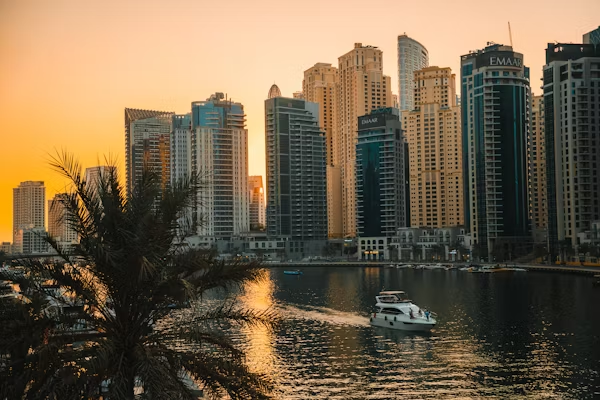
Why Now Is a Strong Time to Sell Dubai Property
Understanding the market context helps you position your sale correctly. Dubai’s residential property market has been delivering consistent price growth across both apartments and villas. Transaction volumes continue to break records quarter after quarter, with buyers from over 100 countries actively competing for quality units across freehold zones.
Villa prices in particular have seen strong appreciation driven by a structural shortage of supply, while mid-market apartment communities like JVC, Business Bay, and Dubai Marina are seeing high occupancy and strong resale demand. For anyone looking to sell Dubai property, the current environment rewards well-priced, well-presented listings with fast turnarounds — often within 30 to 45 days for apartments and 60 to 90 days for villas and larger units.
The key is approaching the process correctly from day one.
Step-by-Step Guide to Sell Dubai Property
Step 1 — Get an Accurate Market Valuation
Before you decide anything else, you need to know what your property is actually worth in today’s market — not what you paid for it, not what your neighbour thinks it is worth, but what comparable units in your building and community have actually sold for recently.
Dubai buyers have access to real-time transaction data through the Dubai Land Department (DLD) portal, Bayut, and Property Finder. They know exactly what your building sold for last month. Overpricing is immediately visible and immediately penalised — your listing simply sits without enquiries while correctly priced units sell around you.
Get a professional valuation from a RERA-registered agent using live DLD transaction data. Price your property at fair market value, and you will attract serious, qualified buyers quickly.
Step 2 — Choose a RERA-Registered Broker
To legally market a property in Dubai, your agent must be registered with RERA (Real Estate Regulatory Agency) and must hold a valid Trakheesi advertising permit for your specific property. Working with an unregistered broker is not just risky — it can invalidate your listing and expose you to legal liability.
You can verify any broker’s credentials through the Dubai REST App — the DLD’s official digital platform — before signing any agreement. Look for agents with specific experience in your community, a strong portal presence, and a clear marketing strategy.
A good RERA-licensed agent will help you sell Dubai property faster, protect your interests throughout the process, and manage all paperwork through to the DLD transfer. The standard agency commission is 2% of the final sale price plus 5% VAT — typically paid by the buyer in secondary market transactions, though this is always a point of MOU negotiation.
Step 3 — Sign Form A
Form A is the official RERA seller-agent agreement. It authorises your broker to market your property, states the agreed listing price, defines the commission structure, and outlines the exclusivity period.
An exclusive listing — one dedicated agent for 90 days — consistently outperforms open listings in both speed and final sale price. With exclusivity, your agent has a real incentive to invest time, marketing budget, and attention into selling your unit rather than simply adding it to a database alongside hundreds of other properties.
Step 4 — Market the Property
Your agent will list your property across Dubai’s major portals — Property Finder, Bayut, and Dubizzle — with professional photography, floor plans, and a verified Trakheesi advertising permit. High-quality photography is not optional if you want to sell Dubai property at the best price. In a market where buyers compare dozens of listings digitally before visiting in person, first impressions on a screen drive everything.
Virtual tours, drone footage for villa listings, and targeted social media promotion all increase visibility and attract more qualified enquiries.
Step 5 — Sign Form F (MOU) and Collect the Deposit
Once you find a buyer and agree on a price, both parties sign Form F — also known as the Memorandum of Understanding (MOU). This is a binding agreement that sets out the agreed sale price, payment terms, deposit amount, and a completion timeline for the DLD transfer.
The standard deposit at MOU stage is 10% of the agreed sale price. This is held as a commitment — if the buyer withdraws without valid reason, the seller typically retains the deposit. If the seller withdraws, they are usually required to return double the deposit amount to the buyer.
Make sure your MOU clearly covers who is responsible for the DLD transfer fee, agency commission, and any other transaction costs, as these are negotiable points between buyer and seller.
Step 6 — Obtain the NOC from the Developer
Before the sale can be registered with the DLD, your developer must issue a No Objection Certificate (NOC). This document confirms that all service charges, maintenance fees, and any outstanding obligations against the property have been fully settled, and that the developer has no objection to the transfer of ownership.
The seller pays the NOC fee in nearly all standard MOUs. Depending on the developer, NOC fees typically range from AED 500 to AED 5,000. Most major developers issue the NOC within 5 to 10 working days once all dues are cleared.
If your property has a mortgage, you must also obtain a mortgage release letter from your bank before the NOC can be processed. Contact your lender for a liability letter showing the outstanding loan balance, and co-ordinate the payoff with the buyer’s payment at the time of transfer.
Step 7 — Complete the Transfer at a DLD Trustee Centre
The final step to sell Dubai property is completing the official ownership transfer at one of Dubai’s authorised DLD Trustee Centres. This appointment is attended by both buyer and seller — or their legally appointed Power of Attorney representatives — and takes approximately 20 minutes once all documents are verified.
Documents required at the transfer appointment include:
- Original title deed
- Valid passports for both buyer and seller
- Form F (signed MOU)
- Developer NOC
- Mortgage release letter (if applicable)
- No Outstanding Balance certificate for service charges
The DLD transfer fee of 4% of the agreed sale price is paid by the buyer at this stage. A flat trustee office fee of AED 4,200 plus 5% VAT applies for properties valued above AED 500,000. Once processed, a new title deed is issued in the buyer’s name and funds are transferred to the seller.
The realistic timeline from listing to receiving funds is typically 4 to 8 weeks for a straightforward ready-property sale.
How to Sell Dubai Property Remotely
If you are an overseas investor or NRI living abroad, you can sell Dubai property without being physically present in the UAE. The process requires appointing a Power of Attorney (POA) — a trusted individual based in Dubai who is authorised to act on your behalf at the DLD and with the developer.
The POA document must be:
- Notarised in your home country
- Legalised by your foreign affairs ministry
- Attested by the UAE Embassy
- Translated into Arabic
A UAE-based lawyer or your RERA-licensed agent can co-ordinate the POA process for you. Many established agencies have dedicated NRI desks and overseas seller processes in place, making remote sales straightforward and well-protected.
There are no restrictions on repatriating your sale proceeds from Dubai. The UAE imposes no capital controls, no exit tax, and no withholding tax, so your funds can be freely transferred to your home country bank account once the sale is complete.
Selling Off-Plan Property Before Completion
Selling an off-plan unit before the project is handed over follows a slightly different process. Most developers in Dubai operate a 40% rule — meaning you can only resell your off-plan unit on the secondary market once you have paid at least 40% of the total purchase price to the developer.
Once you meet this threshold, the process works as follows: list with a RERA-registered broker experienced in off-plan resales, sign Form A, agree a premium with the buyer, sign Form F, apply for the developer NOC, and complete the formal transfer at the developer’s office or a DLD Trustee Centre.
Your premium — the profit above your original purchase price — is the key metric to negotiate. An experienced off-plan resale broker will give you a realistic market premium based on current comparable sales in the same project, not an inflated figure designed to win your listing.
Costs to Know When You Sell Dubai Property
While most transaction costs in Dubai are borne by the buyer, sellers do carry some fees:
- Developer NOC Fee: AED 500 to AED 5,000 depending on developer
- Mortgage Release Fee: AED 1,290 if the property has a mortgage
- Outstanding Service Charges: Must be cleared before the NOC is issued
- Agency Commission: Typically 2% — negotiable and often buyer-paid in secondary market deals
- Power of Attorney (POA) costs: If selling remotely, notarisation and attestation fees apply in your home country
No capital gains tax applies when you sell Dubai property. Dubai does not charge tax on profits from property sales — which means your full sale premium is yours to keep.
Common Mistakes to Avoid When You Sell Dubai Property
Overpricing your listing. Buyers have live market data at their fingertips. Overpriced listings sit unsold while correctly priced properties sell. Trust the data, not your emotional attachment to the property.
Working with an unregistered broker. Always verify RERA registration and Trakheesi permit status before signing Form A. Unregistered agents cannot legally market your property and put your transaction at risk.
Ignoring outstanding service charges. The developer will not issue an NOC until all dues are cleared. Know your balance before listing so there are no surprises at the NOC stage.
Poor photography and presentation. In a competitive market, weak listing photos kill enquiries before they start. Invest in professional photography — it pays for itself in faster sale timelines and stronger offers.
Final Conclusion
Knowing how to sell Dubai property correctly is the difference between a smooth, profitable transaction and a stressful process that drags on for months. The steps are clear, the regulatory framework is transparent, and the market conditions are genuinely favourable for sellers who price correctly and work with the right professionals.
Get an honest valuation, choose a RERA-registered broker with real community expertise, present your property well, and follow the DLD process step by step. Done right, you will sell Dubai property quickly, compliantly, and at a price that genuinely reflects the strength of this market.
Frequently Asked Questions (FAQs)
Q1. How long does it take to sell Dubai property?
Apartments typically sell within 30 to 45 days when priced correctly. Villas and larger units usually take 60 to 90 days to complete.
Q2. What fees does a seller pay when they sell Dubai property?
Sellers typically pay the developer NOC fee (AED 500–5,000) and clear any outstanding service charges. Capital gains tax does not apply in Dubai.
Q3. Do I need a RERA-registered broker to sell Dubai property?
Yes. All Dubai property listings must be handled by RERA-licensed brokers with a valid Trakheesi advertising permit for your specific property.
Q4. Can I sell Dubai property if I live abroad?
Yes. You can sell remotely by appointing a notarised and UAE Embassy-attested Power of Attorney to represent you at the DLD and developer’s office.
Q5. Is there capital gains tax when I sell Dubai property?
Dubai charges zero capital gains tax. However, your home country may tax the profit — Indian and UK sellers should check DTAA provisions and local CGT rules.
Q6. Can I sell an off-plan Dubai property before handover?
Yes, once you have paid at least 40% of the purchase price to the developer. You will need a developer NOC and a RERA-licensed off-plan resale broker.
Q7. What is Form F when selling Dubai property?
Form F is the official Memorandum of Understanding signed between buyer and seller, outlining the agreed price, deposit, payment terms, and transfer timeline.